
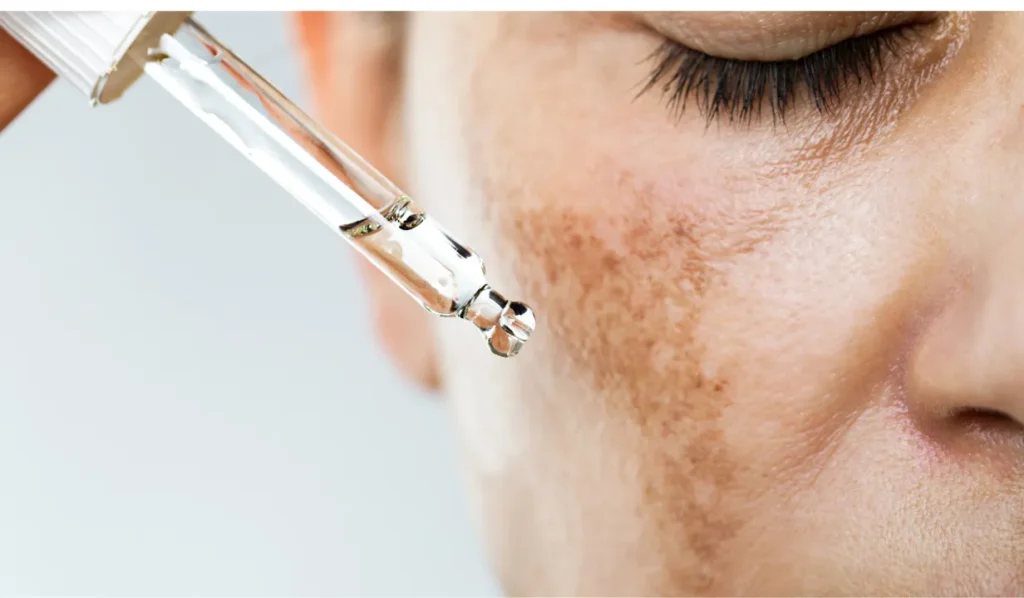
A patient returns to clinic, frustrated, because the dark patches on her cheeks have come back. She followed advice, she was careful, and yet the pigmentation has returned after a period of improvement. For doctors in Pakistan, this is a familiar story. Melasma is common, visible, and often long-lasting, and it tests both clinical knowledge and counselling skills.
Melasma is best understood as a chronic and relapsing condition, rather than a problem that can be cleared once and forgotten. Pigment-producing cells in the skin can remain sensitive to triggers long after an initial improvement, and everyday factors in Pakistan, including strong sun, heat and hormonal changes, can reactivate them. That does not mean care is futile. It means care should be planned as a long-term, layered process, with protection and maintenance at its centre.
This general educational guide explains why melasma returns, which triggers doctors see most often in Pakistan, how to assess it systematically, and how to think about care in layers. It does not prescribe a specific regimen for any individual patient. Treatment decisions always depend on individual assessment, medical history and clinical judgement.
Why melasma is a long-term condition, not a one-time problem
Melasma involves increased pigment in areas of skin that are often exposed to light, most commonly the cheeks, forehead, upper lip and chin. The pigment may lighten and darken over time, and it may respond to care and then return when a trigger returns. This relapsing pattern can be distressing, especially because the face is so visible and because improvement is often gradual.
Understanding chronicity changes the conversation. Instead of promising clearance, a doctor can explain that the aim is control, improvement over time, and relapse prevention. That honest framing helps patients stay engaged, because they are less likely to abandon gentle, consistent care in search of a quick result, and less likely to feel that a return of pigment means they, or their doctor, have failed.
Long-term thinking also changes planning. A doctor should consider not only what might help now, but what the patient can sustain, what the skin can tolerate, and how follow-up will be arranged. Maintenance is not an afterthought in melasma care. It is part of the plan from the start.
- Expect gradual change, not overnight clearance.
- Plan for maintenance, even after improvement.
- Review triggers at every follow-up, not only at the first visit.
- Record pattern and progress with care, so changes can be judged over time.
Sun, heat and hormones: the triggers doctors see most in Pakistan
Sun exposure is the most important trigger to discuss in Pakistan, where ultraviolet light is strong for much of the year and outdoor work, travel and daily routines all add exposure. Visible light and heat can also play a role, and heat from cooking, hot environments and intense sun can aggravate sensitive skin. Sun and heat protection is therefore not a minor addition to care. It is a central pillar, every day, even when the weather is cloudy or the patient is mainly indoors near windows.
Hormonal factors are another common influence. Pregnancy, hormonal medicines and other hormonal changes can coincide with the appearance or worsening of melasma. A careful history should explore these factors sensitively and without assumption, because they affect both assessment and counselling. A doctor should also ask about other medicines, skin products, previous treatments and any irritation, because irritated skin may become more pigmented.
Other triggers include friction, harsh products, inflammation and inconsistent protection. When skin is repeatedly irritated, pigment may increase rather than decrease. This is one reason gentle care matters so much in darker skin, where post-inflammatory pigmentation is a recognised concern.
Assessment first: history, skin type, pattern and previous treatments
Systematic assessment is the core skill in melasma care. Begin with a detailed history: when the pigmentation appeared, how it has changed, what seems to trigger it, and what has been tried before. Ask about sun and heat exposure in daily life, work and travel, hormonal factors, medicines, skin products and any previous irritation or treatments. Also ask about the patient’s priorities, because a plan that ignores daily routine, work or family responsibilities is unlikely to be followed consistently.
Next, examine skin type, tone and pattern. Note the distribution of pigment, its symmetry, depth of appearance and any signs of irritation, sensitivity or other skin conditions. In darker skin, gentle examination and careful photography, where appropriate and consented, can help track change over time. The aim is not to label a case quickly, but to build a clear baseline against which future change can be judged.
Previous treatments matter for two reasons. They show what has helped, what has irritated the skin, and what the patient can tolerate. They also reveal expectations: a patient who has tried many products may need a simpler, more sustainable plan, and a patient who has had a strong reaction may need a particularly gentle approach. Assessment should also consider when to seek further advice or referral, especially when the presentation is unusual, rapidly changing, or not typical for melasma.
A layered way of thinking: protection, gentle care, in-clinic options and maintenance
It helps to think about melasma care in layers, rather than as a single product or procedure. The first layer is protection: consistent sun and heat protection, shade, hats and other practical measures suited to the patient’s daily life. Protection should be discussed in detail, because it is often the layer that makes the biggest difference over time, and it is also the layer most easily undermined by inconsistent use.
The second layer is gentle daily care. The skin should be treated kindly, with a simple routine that avoids unnecessary irritation. Harsh scrubbing, frequent switching of products and strong combinations can worsen pigmentation, especially in darker skin. A doctor should help the patient simplify, rather than add more products.
Further layers may include in-clinic options, discussed in general terms during training, and chosen only after assessment and counselling. Whatever options are considered, they should fit the patient’s skin type, history, tolerance and ability to maintain protection afterwards. Finally, maintenance is its own layer: regular review, reinforcement of protection, adjustment of care when triggers change, and patience when progress is slow.
| Layer | Focus | Why it matters |
|---|---|---|
| Protection | Sun and heat protection every day | Reduces the most common trigger for relapse |
| Gentle care | Simple, non-irritating daily routine | Avoids irritation that can worsen pigment |
| In-clinic options | Assessed, counselled options where suitable | Used selectively, not as a first or only step |
| Maintenance | Follow-up and relapse prevention | Sustains improvement over the long term |
Common pitfalls: harsh products, over-treatment and unrealistic promises
Harsh products are a common pitfall. When progress is slow, patients may be tempted to use stronger products, combine many actives, or follow advice from non-medical sources. Doctors should explain why irritation can set progress back, and why a gentler plan, followed consistently, is often more effective than an aggressive plan that the skin cannot tolerate.
Over-treatment is a related risk. Adding more procedures or products without allowing time for assessment can make it hard to know what helped, what harmed, and what should change. A measured approach, with review between steps, protects the patient and gives the doctor clearer information.
Unrealistic promises are the third pitfall. Melasma care should never be presented as a guaranteed clearance, and before-and-after images should never be used to imply a specific outcome for a new patient. Honest counselling about gradual improvement, possible relapse and the need for maintenance builds trust, even when the message is not what the patient hoped to hear.
FAQs
Why does melasma keep coming back? Melasma is a chronic, relapsing condition. Pigment-producing cells can remain sensitive to sun, heat and hormonal influences, so pigment may return when a trigger returns, even after a period of improvement. Long-term protection and maintenance help reduce relapse.
Is sun protection really that important? Yes. In Pakistan, strong sun exposure is a major trigger. Consistent daily sun and heat protection, together with practical measures such as shade and hats, is a central part of care, not an optional extra.
How long does improvement take? Improvement is usually gradual. Patients should be counselled to expect slow change, to follow gentle care consistently, and to attend follow-up so progress can be judged over time rather than after a few days.
Why should harsh products be avoided? Harsh products and frequent switching can irritate the skin, and irritated skin, especially darker skin, may become more pigmented. A simple, gentle routine that the skin can tolerate is usually safer and more sustainable.
When should a doctor seek further advice or refer? When the presentation is unusual, rapidly changing, or not typical for melasma, or when assessment raises other concerns, further advice or referral should be considered. Careful documentation and follow-up support that decision.
Can melasma be cured completely? Melasma is best described as a condition to control and manage over time, rather than a problem with a guaranteed cure. Honest counselling about control, maintenance and possible relapse helps patients stay engaged with care.
Learn to assess melasma systematically
For doctors who want structured, case-based teaching on melasma assessment and care, explore the Melasma Management masterclass at RALM Academy, a live online masterclass for MBBS doctors and healthcare professionals. For enrolment enquiries, call +92 311 6755667. Assessment first, protection always, and patience with the process will serve your patients well.
Disclaimer: This post provides general educational information for healthcare professionals. It is not medical advice and is not a substitute for individual clinical judgement.