
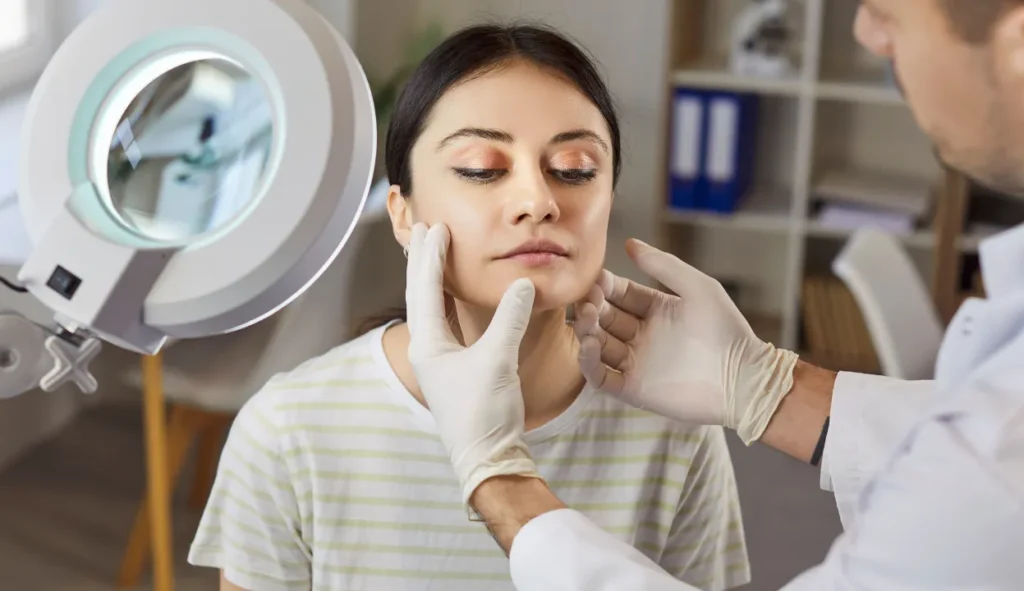
Two patients can receive similar aesthetic care and yet age, heal and respond in very different ways. One maintains skin quality and volume for longer, while the other notices faster change, slower healing or less sustained improvement. The difference is rarely only about the skin surface. It is often about what is happening inside the body, and that is the central idea of longevity medicine.
Longevity medicine does not replace aesthetic medicine. It extends it. It asks doctors to look beyond wrinkles, volume and texture, and to consider how hormones, metabolism, inflammation, sleep, nutrition and activity shape the way a face ages and responds to care. For doctors already learning aesthetic foundations, this broader view can make treatment planning more thoughtful and more personal.
This primer explains, in general terms, why treating the surface alone has limits, what changes inside the body with ageing, how a longevity assessment lens works, and how internal health shows up in skin, volume and healing. It makes no promise to reverse ageing or to guarantee specific outcomes, because longevity care is about assessment, planning and long-term health, not about quick reversal.
The limits of treating the surface alone
Surface treatments can improve appearance, texture and confidence, and they have a proper place in aesthetic practice. But when internal factors are not considered, results may be less durable, healing may be slower, and the same concern may return quickly. A doctor who only treats what is visible may miss why a patient is ageing in a particular way, or why skin is not responding as expected.
Treating the surface alone can also lead to a cycle of repeated treatments without addressing underlying contributors. For example, poor sleep, metabolic strain or chronic inflammation may affect skin quality and healing, yet none of those factors is visible in a mirror alone. A broader assessment helps doctors plan care that is more sustainable, rather than simply repeating the same step.
This does not mean every aesthetic patient needs a full longevity assessment. It means doctors should know when a broader view would help, and how to discuss it in general terms, without over-promising or moving beyond their scope.
Ageing biology in plain language: what changes inside the body
Ageing is a gradual process that affects many systems at once. Hormonal patterns change, metabolism shifts, muscle and bone change, inflammation may increase, and the body’s ability to repair and regenerate can decline. These changes are normal in broad terms, but their pace and pattern vary widely between people, influenced by genetics, lifestyle, health conditions and environment.
At a general level, doctors can think about ageing biology in a few linked areas. Hormonal health affects energy, skin, muscle and mood. Metabolism affects how the body uses energy and nutrients. Inflammation, when persistent, can affect tissue health and healing. Sleep, nutrition and activity influence all of these systems. None of these areas works in isolation, and that is why longevity medicine takes a whole-person view.
Understanding ageing biology in plain language also helps with patient communication. Patients often ask why they look tired, why skin has changed, or why recovery is slower. A doctor who can explain these changes in general, non-alarmist terms can set realistic expectations and support long-term planning.
- Ageing affects hormones, metabolism, inflammation and repair together.
- Change is gradual and varies widely between individuals.
- Lifestyle factors such as sleep, nutrition and activity matter.
- Longevity thinking is about assessment and planning, not reversal.
The longevity assessment lens: hormones, metabolism, sleep, nutrition and activity
A longevity assessment lens brings together several areas that RALM Academy already discusses in its training: hormonal health, inflammation, metabolism, longevity biomarkers and biological-age thinking, all at a general level. The aim is not to collect every possible test, but to build a coherent picture of a patient’s health, and to use that picture to plan care thoughtfully.
Hormonal health is considered in broad terms, including how hormonal changes may relate to energy, skin, muscle and overall wellbeing. Metabolism is considered in terms of energy use, nutrition and general metabolic health. Inflammation is considered as a process that, when persistent, may affect tissue health and healing. Sleep, nutrition and activity are considered as everyday factors that influence all of these systems.
Longevity biomarkers and biological-age thinking are discussed in training as concepts that help doctors think about ageing beyond chronological age. At a general level, they encourage doctors to ask: is this patient’s body ageing faster or slower than expected, and what factors might be contributing? That question should be handled carefully, without over-interpreting a single result or promising a specific outcome.
How internal health shows up in skin, volume and healing
Internal health shows up in the face in several ways. Skin quality may reflect sleep, nutrition, sun protection and general health. Volume changes may reflect muscle, fat and bone changes over time, as well as general health and lifestyle. Healing after any treatment may reflect inflammation, nutrition, sleep and overall health. A doctor who considers these links can explain change more clearly and plan more realistically.
For example, a patient with poor sleep and high stress may notice duller skin and slower recovery, while a patient with better sleep, nutrition and activity may maintain results for longer. These are general patterns, not guarantees, and they should be discussed as possibilities, not as promises. The point is to connect aesthetic outcomes to whole-person health, so that patients understand why lifestyle and general health advice may be part of an aesthetic plan.
This broader view also helps with related reading. Doctors who are building aesthetic foundations may find it helpful to start with how to start in aesthetic medicine in Pakistan, then explore melasma assessment in Pakistani skin and what to understand before offering PRP, because each of those topics shows how assessment, patience and long-term thinking matter in practice.
| Assessment area | General focus | How it may show in the face |
|---|---|---|
| Hormonal health | General hormonal patterns and wellbeing | Skin, energy and muscle changes |
| Metabolism | Energy use and nutrition | Skin quality and healing |
| Inflammation | Persistent inflammation in general terms | Tissue health and recovery |
| Sleep, nutrition, activity | Everyday health habits | Appearance, volume and resilience |
From aesthetics to longevity: a root-cause way of planning care
Root-cause planning means asking why, not only what. Why is this patient ageing in this way? Why is skin not responding as expected? Why is healing slower? The answers may involve a combination of factors, and they may point to general health advice, lifestyle discussion, further assessment or referral, as well as aesthetic care.
This approach does not mean every aesthetic concern has a hidden internal cause, or that longevity assessment replaces aesthetic skill. It means doctors should be curious, systematic and honest. They should gather a good history, consider internal factors in general terms, discuss options and limits, and plan follow-up that reviews both appearance and general health.
For doctors, the move from aesthetics to longevity is a natural progression. It builds on foundation skills in anatomy, assessment and consultation, and adds a broader lens that can improve long-term planning. Training that combines live online learning with clinical case discussion is well suited to this progression, because cases show how internal and external factors interact in real patients.
FAQs
What is longevity medicine? Longevity medicine is a broader approach to health and ageing that considers internal factors such as hormonal health, metabolism, inflammation, sleep, nutrition and activity, alongside aesthetic care, at a general level. It focuses on assessment and long-term planning.
Does longevity medicine replace aesthetic medicine? No. It extends it. Aesthetic foundations in anatomy, assessment and consultation remain essential, and longevity assessment adds a whole-person lens that can improve planning and durability of care.
Can longevity care reverse ageing? No. Ageing cannot be reversed, and no specific outcome should be promised. Longevity care is about understanding ageing biology, assessing health in general terms, and planning care that supports long-term wellbeing.
What is biological-age thinking? Biological-age thinking is a concept discussed in training that encourages doctors to think about ageing beyond chronological age, considering how health, lifestyle and other factors may affect the pace of ageing. It should be handled carefully and not over-interpreted from a single result.
Do all aesthetic patients need a longevity assessment? No. A broader assessment is most useful when internal factors may be affecting skin, volume, healing or overall outcomes, or when a patient is interested in long-term planning. Doctors should use judgement and discuss options without pressure.
Where should a doctor start with longevity learning? Start with aesthetic foundations, then explore longevity assessment concepts through structured, live online learning with clinical case discussion. Cases show how internal and external factors interact in real patients.
From aesthetics to longevity
For structured teaching on longevity medicine, ageing biology and assessment, explore RALM Level 1 at RALM Academy. For enrolment enquiries, call +92 311 6755667. The face ages from the inside as well as the outside, and a doctor who understands both will plan care more wisely.
Disclaimer: This post provides general educational information for healthcare professionals. It is not medical advice and is not a substitute for individual clinical judgement.